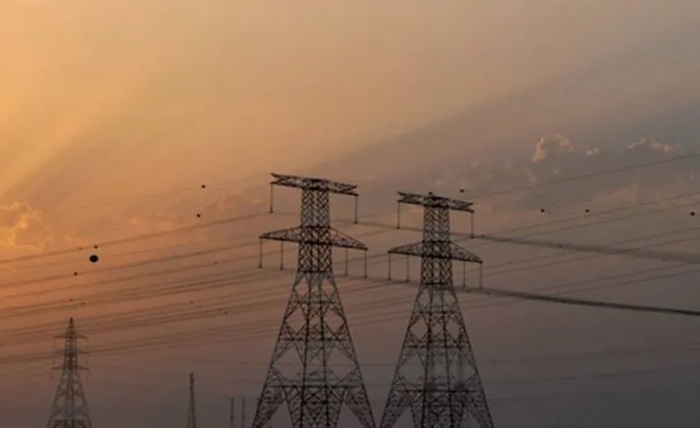
Introduction to Har Ghar Bijli
Access to electricity is a cornerstone of modern development, and the government of India has taken a significant step to ensure that every household benefits from reliable power. The initiative har ghar bijli aims to provide electricity connections to all homes, including rural and remote areas, where access has historically been limited. By focusing on electrification, har ghar bijli not only enhances the quality of life but also drives economic growth, education, and healthcare improvements across India.
The program har ghar bijli ensures that households previously without electricity now have access to lighting, fans, and modern appliances. By bringing energy to every corner of the country, har ghar bijli helps bridge the urban-rural divide and empowers communities to thrive in a sustainable, energy-efficient environment.
Objectives of Har Ghar Bijli
The primary goal of har ghar bijli is to ensure electricity for all households, particularly in underserved regions. The initiative seeks to achieve universal electrification by connecting homes, schools, and healthcare centers to reliable power sources. By implementing har ghar bijli, the government aims to reduce energy poverty and improve the overall standard of living.
Another objective of har ghar bijli is to promote energy efficiency. The initiative encourages households to adopt energy-saving appliances and renewable energy solutions wherever possible. With har ghar bijli, the focus is not only on providing electricity but also on sustainable usage, ensuring long-term benefits for both people and the environment.
Furthermore, har ghar bijli is designed to facilitate economic growth. By electrifying homes and businesses, the program allows small industries and cottage businesses to thrive, generating employment and increasing income levels in rural areas.
Implementation Strategies of Har Ghar Bijli
The success of har ghar bijli depends on effective planning and implementation. The government has developed a multi-pronged strategy to ensure that electricity reaches even the most remote households. Under har ghar bijli, a combination of on-grid and off-grid solutions is employed, including solar power, microgrids, and traditional electricity connections.
To monitor progress, har ghar bijli uses modern technology such as geographic information systems (GIS) and digital tracking systems. These tools allow authorities to identify households without electricity, plan connections efficiently, and track the implementation of the initiative in real-time.
Community involvement is another key strategy for har ghar bijli. Local volunteers and organizations help raise awareness about the program, assist in installation, and ensure that electricity connections are maintained properly. By combining technology and community participation, har ghar bijli achieves higher efficiency and faster implementation.
Benefits of Har Ghar Bijli
The benefits of har ghar bijli extend beyond simply turning on lights in households. One major advantage is improved education. With electricity, students can study at night using proper lighting, access online resources, and use digital learning tools. This makes har ghar bijli a catalyst for educational development, especially in rural areas.
Healthcare services also benefit from har ghar bijli. Clinics and hospitals equipped with electricity can store vaccines, operate medical equipment, and provide better care. The initiative har ghar bijli ensures that healthcare facilities are functional around the clock, improving community health outcomes.
Economic opportunities increase with har ghar bijli as well. Electrified households can run small businesses, charge devices, and use machinery to enhance productivity. By enabling economic activity, har ghar bijli contributes to local development and reduces poverty.
Har Ghar Bijli and Renewable Energy
A significant aspect of har ghar bijli is its emphasis on renewable energy. Solar panels, wind energy, and micro-hydro systems are being integrated into the program to provide sustainable power solutions. By adopting green energy, har ghar bijli reduces dependence on conventional fossil fuels and mitigates environmental impact.
Solar-powered home lighting systems under har ghar bijli are particularly popular in remote villages where grid electricity is not yet feasible. These systems allow families to have reliable lighting, power fans, and charge mobile devices efficiently. The renewable energy approach in har ghar bijli ensures long-term sustainability and environmental responsibility.
Moreover, har ghar bijli encourages households to adopt energy-efficient appliances such as LED bulbs, energy-saving fans, and solar cookers. This approach not only reduces electricity bills but also contributes to a cleaner, greener India.
Challenges Faced by Har Ghar Bijli
Despite its remarkable achievements, har ghar bijli faces certain challenges. One major hurdle is geographical difficulty. Remote and hilly areas pose logistical challenges for laying power lines and installing infrastructure. The initiative har ghar bijli must continually adapt to overcome these challenges.
Financial constraints also affect implementation. Providing electricity connections to millions of households requires significant investment, and funding limitations can slow down progress. The government, under har ghar bijli, addresses this by collaborating with private partners and utilizing public-private partnerships to accelerate electrification.
Maintenance of electricity connections is another challenge. Ensuring that power supply remains consistent and addressing technical issues promptly are critical for the success of har ghar bijli. By employing trained technicians and adopting smart monitoring systems, the initiative seeks to maintain reliable services.
Impact of Har Ghar Bijli on Society
The social impact of har ghar bijli is transformative. By providing electricity to every household, the initiative improves the overall quality of life. Families can enjoy modern amenities, children can study safely at night, and communities can access better health and communication facilities.
Women benefit significantly from har ghar bijli as well. With electrification, household chores become easier, and women can participate in income-generating activities such as handicrafts or small-scale businesses. The initiative har ghar bijli contributes to gender empowerment and greater social inclusion.
Furthermore, har ghar bijli helps reduce migration from villages to cities. Electrified villages provide better opportunities locally, reducing the need for residents to move to urban areas in search of jobs or education. This initiative strengthens rural communities and supports sustainable development across the country.
Future Prospects of Har Ghar Bijli
The future of har ghar bijli looks promising as the government continues to expand electrification efforts. The initiative aims to not only provide electricity connections but also integrate smart grid technology, IoT devices, and energy storage solutions to enhance efficiency.
With continued investment in renewable energy and digital monitoring systems, har ghar bijli is expected to achieve 100% household electrification across India. The initiative will also focus on educating citizens about energy conservation and promoting green practices for long-term sustainability.
The success of har ghar bijli will serve as a model for other developing countries aiming to provide universal energy access, showcasing India’s commitment to modern, inclusive development.
Conclusion
In conclusion, har ghar bijli is more than just an electrification program—it is a transformative initiative that reshapes India’s social, economic, and environmental landscape. By providing electricity to every household, har ghar bijli empowers communities, enhances education, improves healthcare, and drives economic growth.
The program’s focus on sustainability, renewable energy, and inclusive development ensures that its benefits are long-lasting. With continued government support, technological innovation, and community involvement, har ghar bijli has the potential to illuminate every home in India, creating a brighter and more prosperous future for all.
FAQs
Q1: What is Har Ghar Bijli?
Har ghar bijli is a government initiative to provide electricity connections to every household in India, ensuring universal energy access.
Q2: Who can benefit from Har Ghar Bijli?
All households without electricity, particularly in rural and remote areas, can benefit from har ghar bijli.
Q3: Does Har Ghar Bijli use renewable energy?
Yes, har ghar bijli incorporates solar, wind, and micro-hydro energy systems to provide sustainable electricity solutions.
Q4: What challenges does Har Ghar Bijli face?
Challenges include geographical difficulties, financial constraints, and maintenance of consistent power supply, which har ghar bijli addresses through technology and partnerships.
Q5: How does Har Ghar Bijli impact society?
Har ghar bijli improves education, healthcare, economic opportunities, and women’s empowerment, significantly enhancing quality of life in electrified households.