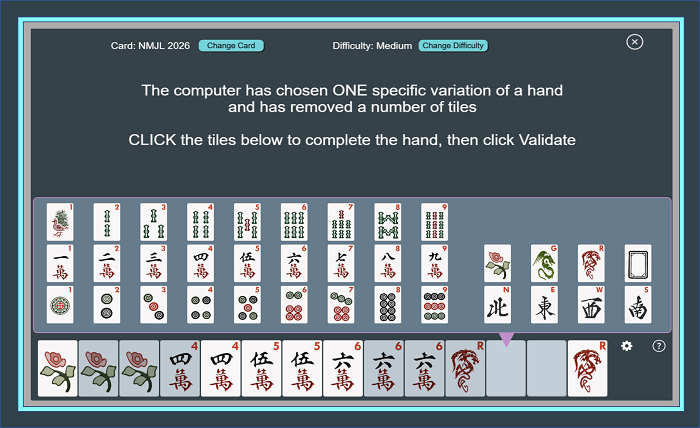
Mahjong is a traditional tile-based game that has gained global popularity due to its strategic depth, fast decision-making, and engaging gameplay. Many modern players also encounter mahjong in digital entertainment platforms, often alongside games like slot, where quick thinking and pattern recognition are important skills.
Learning mahjong may seem complex at first because of its unique tiles, rules, and scoring system. However, with the right methods, beginners can understand the game quickly and start playing confidently. This article explains fast and easy mahjong learning methods designed to help new players improve step by step while building strong foundational skills.
Understanding the Basics of Mahjong
Before mastering strategies, it is important to understand the structure of mahjong. The game is typically played with 144 tiles divided into different categories. Each tile has meaning and plays a role in forming winning combinations.
Key foundational elements include:
- Suit tiles: Characters, bamboo, and circles
- Honor tiles: Winds (East, South, West, North)
- Dragon tiles: Red, green, and white dragons
- Objective: Build a complete hand using sets and pairs
Unlike simple games such as slot, mahjong requires planning, observation, and memory. Every move can influence the outcome, making it a game of skill rather than chance.
Fast Learning Method 1: Learn Tile Groups First
One of the fastest ways to understand mahjong is by learning tile groups instead of memorizing everything at once.
Focus on these groups step by step:
- Start with number tiles (1–9 in each suit)
- Then learn wind tiles
- Next learn dragon tiles
- Finally study special or bonus tiles (if included in your version)
This structured approach reduces confusion and helps the brain categorize information more efficiently.
Fast Learning Method 2: Use Pattern Recognition Training
Mahjong is heavily based on patterns. Recognizing patterns quickly is more important than memorizing rules alone.
Effective pattern training techniques:
- Repeatedly study common winning sets like:
- Pungs (three identical tiles)
- Chows (three consecutive numbers in a suit)
- Pairs (two identical tiles)
- Practice identifying incomplete sets in random tile layouts
- Observe how experienced players complete hands
With consistent practice, your brain starts recognizing combinations automatically, similar to identifying patterns in fast-paced games like slot systems.
Fast Learning Method 3: Start with Simple Game Modes
Beginners often make the mistake of jumping into full rule sets. Instead, start simple.
Recommended progression:
- Practice with simplified mahjong apps or beginner modes
- Use fewer rules at the beginning (ignore scoring complexity)
- Focus only on building a complete hand
- Gradually add advanced rules over time
This step-by-step method prevents overwhelm and builds confidence quickly.
Fast Learning Method 4: Improve Memory Through Repetition
Mahjong requires strong memory skills because players must remember discarded tiles and predict opponents’ hands.
Memory improvement exercises:
- Memorize tile sets daily for 10–15 minutes
- Practice recalling discarded tiles during gameplay
- Watch short mahjong games and replay mentally
- Group tiles in your mind using categories
Strong memory helps you make faster decisions and reduces mistakes during gameplay.
Fast Learning Method 5: Observe Opponent Behavior
One of the most important skills in mahjong is observation. Good players do not only focus on their own hand but also track what others are doing.
What to observe:
- Which tiles opponents discard repeatedly
- Which tiles they avoid discarding
- How quickly they draw or pass turns
- Possible patterns in their hand building
By analyzing opponents, you can predict their strategy and adjust your moves accordingly.
Fast Learning Method 6: Practice Basic Strategies
Once you understand the basics, start applying simple strategies to improve performance.
Beginner strategies include:
- Keep your hand flexible in early rounds
- Avoid discarding tiles that may complete opponents’ sets
- Focus on completing one strong combination rather than many weak ones
- Balance between offense and defense
These strategies make your gameplay more structured and reduce random decisions.
Fast Learning Method 7: Learn Through Digital Platforms
Modern learning is much easier thanks to online tools and mobile games. Many beginners use digital platforms to practice mahjong because they provide instant feedback.
Benefits of digital practice:
- Instant gameplay experience without setup
- Ability to replay games for learning
- Practice against AI opponents
- Faster learning curve through repetition
Just like learning systems in slot-based games, digital mahjong helps players understand probability, timing, and decision-making speed.
Fast Learning Method 8: Break Down Winning Hands
Understanding how winning hands are built is one of the fastest shortcuts to mastering mahjong.
A standard winning hand usually includes:
- Four sets (pungs or chows)
- One pair
Example breakdown practice:
- Identify possible sets in your hand
- Remove unnecessary tiles early
- Build toward a clear structure
- Adjust based on drawn tiles
This structured thinking improves clarity and speeds up decision-making.
Common Mistakes Beginners Should Avoid
Many beginners slow their learning by repeating the same errors.
Avoid these mistakes:
- Memorizing rules without practice
- Playing without observing opponents
- Ignoring tile discard strategy
- Changing strategy too frequently
- Focusing only on winning instead of learning
Avoiding these mistakes will significantly increase your learning speed.
Practice Routine for Fast Improvement
Consistency is the key to mastering mahjong quickly.
Suggested daily routine:
- 10 minutes: tile recognition practice
- 20 minutes: playing beginner matches
- 10 minutes: reviewing mistakes
- 10 minutes: studying patterns or watching gameplay
This simple routine can dramatically improve understanding within a short time.
Conclusion
Mahjong is a game that combines strategy, memory, and observation. While it may appear complicated at first, the right learning methods can make it easy and enjoyable. By focusing on tile groups, practicing patterns, improving memory, and playing regularly, beginners can quickly gain confidence.
Whether you are learning for casual enjoyment or exploring games like slot and mahjong together in digital platforms, mastering the basics will always give you a strong advantage. With consistent practice and smart strategies, anyone can learn mahjong quickly and play effectively.