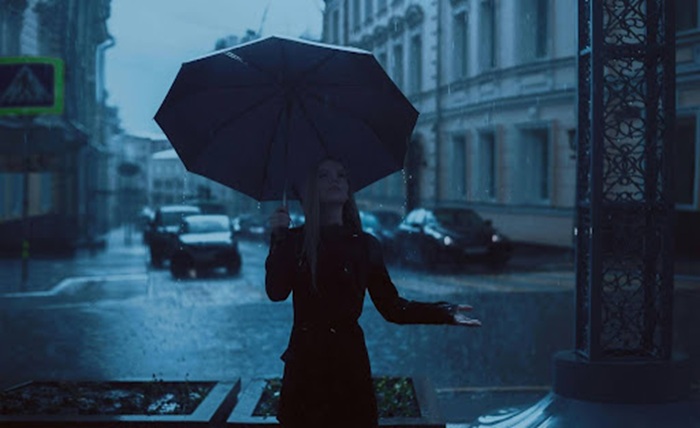
For much of the American South, winter has always been more about damp air and gray skies than postcard snowdrifts. Along the Gulf Coast especially, the season arrives as a shift in mood rather than a dramatic transformation of the landscape: lower temperatures, early sunsets, rain slicking the streets, and a cool wind drifting in from the water. Yet even without snow, people have long marked this time of year with distinctive customs—church services, seafood feasts, neighborhood light displays, and quiet evenings on porches listening to the rain tap on the roof.
Modern life has layered new habits onto these older rhythms. Families still plan gatherings and cook familiar dishes, but they also text relatives who live far away, scroll through social media between stirring pots, and occasionally click on distractions like a red door roulette game while a winter storm rattles the windows. The season feels at once old-fashioned and contemporary, shaped by regional memory and the realities of a warming climate.
Climate Shifts and Cultural Memory
The phrase “When winter means rain, not snow” is more than a clever line; it captures a genuine climatic pattern. In the Deep South and along the Gulf Coast, average winter temperatures tend to be relatively mild compared with much of the country. Light frost and the occasional brief freeze are common, while snow remains rare enough to become a shared story when it happens. People who grew up in these regions often remember a single snow day with almost cinematic clarity: school canceled, improvised snowmen made from thin patches of slush, neighbors grinning at the novelty.
But over the last several decades, residents have noticed that winters feel different, even by local standards. Cold snaps can still be sharp, yet the broader pattern leans toward wetter, muddier seasons. More rain, fewer stretches of crisp air. For many, that subtle change triggers a kind of cultural unease. Winter rituals built around “finally putting on a coat” or expecting a few solid weeks of chilly evenings now feel compressed into shorter, inconsistent stretches.
This shift also affects memory. Older generations talk about winters that “felt colder,” even if the thermostat readings tell a complicated story. Younger residents, meanwhile, may experience winter as a series of heavy downpours and foggy mornings rather than the clear, brisk days their grandparents describe.
Rainy Winters and Everyday Life
Rain changes how people inhabit space. In a snowy climate, winter often pushes life inward; in the American South, heavy rain can have a similar effect. Streets flood more easily, dirt paths become slippery, and outdoor events require more flexibility. A church picnic planned for a cool afternoon in December might become an indoor potluck at the last minute, with folding tables squeezed into the fellowship hall and wet umbrellas lining the walls.
At the same time, rain has its own social soundtrack. Children learn the sound of thunder rolling across open fields or along the marsh, and adults memorize the pattern of leaks in older houses. Neighborhoods develop a practical wisdom about which intersections flood first, which roads to avoid during a sudden downpour, and who in the community is most vulnerable to storm damage.
Winter rain can be oddly intimate. A steady shower softens the edges of the day, blurring car headlights and dampening noise. Families find themselves lingering at the dinner table a little longer, putting off the cold trip to take out the trash or lock the storage shed. Neighbors wave from covered porches, calling across yards rather than walking in the drizzle. The season is less about picturesque snow and more about negotiating degrees of wet.
Food, Music, and the Search for Warmth
Despite the lack of snow, winter in the South still inspires a powerful desire for warmth—and much of that warmth comes from food. Hearty stews, gumbo, red beans and rice, baked casseroles, and pans of cornbread appear on tables from small towns to coastal cities. On the Gulf Coast, seafood remains central: shrimp stews, oyster dressing, and fish dishes that draw directly from nearby waters.
These meals do more than fill stomachs. They act as emotional infrastructure, supporting families during the darker months. Long-simmering pots invite conversation. Someone stands by the stove, stirring and tasting, while others drift in and out of the kitchen, bringing news or offering to chop vegetables. Music—often a mix of local styles and beloved holiday songs—plays in the background, turning the room into a relaxed, slightly chaotic performance space.
Even the act of shopping for these ingredients takes on seasonal meaning. Outdoor markets look different in winter; fewer bright fruits, more greens and root vegetables. Fishermen adjust their routines, and customers learn to navigate shifting supplies. In this sense, seasonal dishes become a way of reading the environment: what is available, what is scarce, and how weather patterns are subtly changing.
Faith, Ritual, and Regional Identity
Winter in the American South is closely tied to religious observance, especially in communities where church life shapes the calendar. Candlelight services, choir performances, and charity drives form a seasonal backbone that persists even as weather patterns shift. Rain might move a live nativity scene indoors or turn an outdoor festival into a sheltered event, but the impulse to gather does not disappear.
Along the Gulf Coast, where waterways define so much of daily life, faith traditions often incorporate the landscape. Processions, boat parades, and coastal blessings may take place under cloudy skies or light drizzle rather than crisp winter air. Participants adapt, carrying umbrellas alongside banners, or stringing lights on vessels that move quietly through mist instead of under a clear cold sky.
These rituals build regional identity by weaving together weather, place, and belief. To belong in such communities is to learn the small adjustments required by a rainy winter: how to keep candles lit in damp air, how to protect musical instruments from sudden downpours, how to read a forecast before planning a long drive to visit relatives. The changing climate complicates these tasks but also reveals the resilience of the people performing them.
Looking Ahead: Adapting Traditions to a Wetter Future
As discussions about climate change grow more urgent, the American South stands at an uncomfortable intersection of vulnerability and creativity. Warmer, wetter winters raise immediate practical questions—about infrastructure, housing quality, and storm readiness—but they also press on cultural questions. How do communities preserve rituals tied to certain weather expectations when those expectations no longer consistently hold?
Some adaptations are already visible. Indoor versions of outdoor festivals are planned as backup from the start. Families build new traditions around board games, film nights, or small creative projects during long rainy spells. Faith communities invest in better drainage around their buildings; event organizers add “rain plans” as a standard part of their work rather than a last-minute emergency.
At the same time, there is a determination not to abandon what makes Southern winters distinct. People still hang lights on porches, gather for generous meals, sing together in echoing halls, and stand under umbrellas watching small-town parades. They continue to tell stories about that one magical snowfall, even if it happened twenty years ago, and they make space for their children to form their own seasonal memories—memories that might involve more rainboots than sleds, but that still carry a sense of wonder.
When winter means rain, not snow, the season’s beauty is less about visual spectacle and more about persistence: the steady glow of porch lights in the drizzle, the hum of conversation in crowded kitchens, the quiet strength of communities determined to keep their traditions alive, even as the weather writes a slightly different script year after year.